If you are shopping for an e85 upgrade kit for RS3, you are usually past the stage of casual bolt-ons. You want more power, more cooling headroom, and a fueling setup that supports the car the right way. On the 2.5 TFSI, E85 can be a serious performance move, but only when the hardware, tune, and fuel quality all line up.
That is where many builds go sideways. People hear that ethanol makes great power, then assume every kit does the same job. It does not. The right setup depends on your model year, your current hardware, your power target, and whether the car needs to live as a street car, a drag setup, or something in between.
Why RS3 owners move to E85
The appeal is simple. E85 offers higher effective octane and better charge cooling than pump gas, which gives tuners more room to increase boost and ignition timing safely. On the DAZA and DNWA platforms, that usually translates to stronger midrange, better top-end pull, and a more consistent car when the setup is dialed in correctly.
It is not magic fuel, though. Ethanol requires more volume than gasoline to make the same power. That means your fueling system has to work harder, and on a direct-injected turbo five-cylinder, that matters quickly. A car that is perfectly happy on 93 octane can run out of fueling margin on E85 with the wrong combination of injectors, low-pressure fuel support, high-pressure upgrades, or calibration.
What an e85 upgrade kit for RS3 usually includes
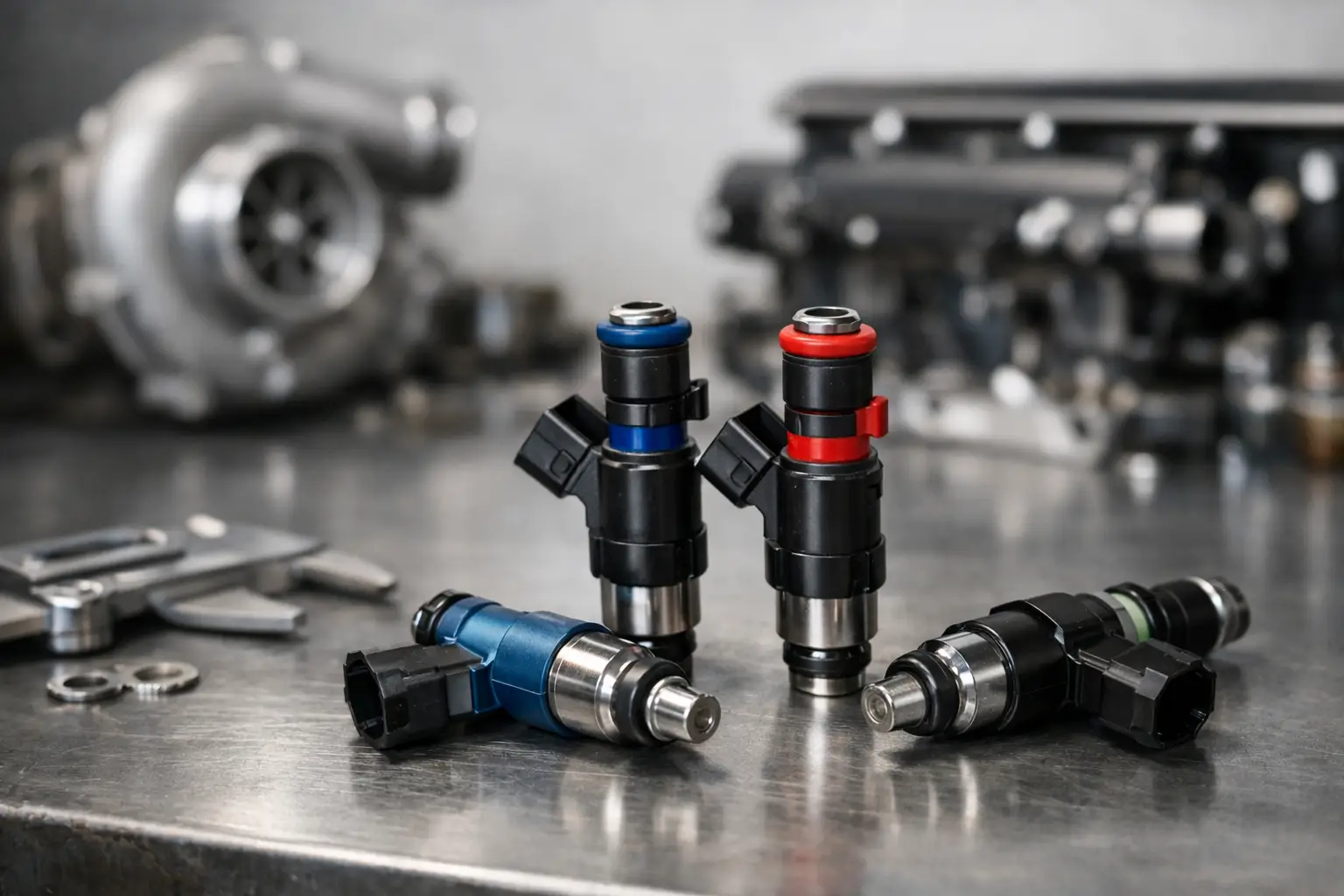
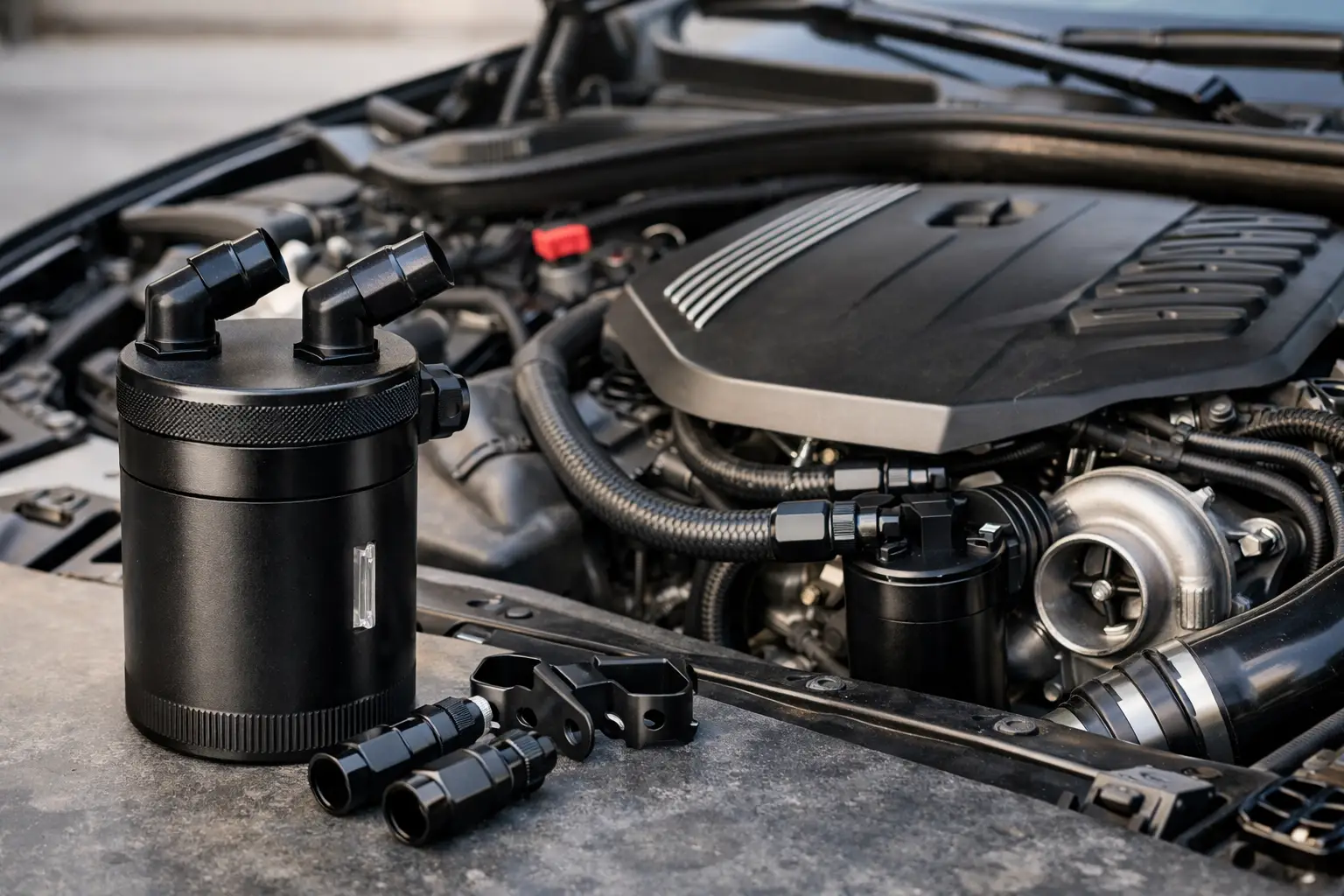
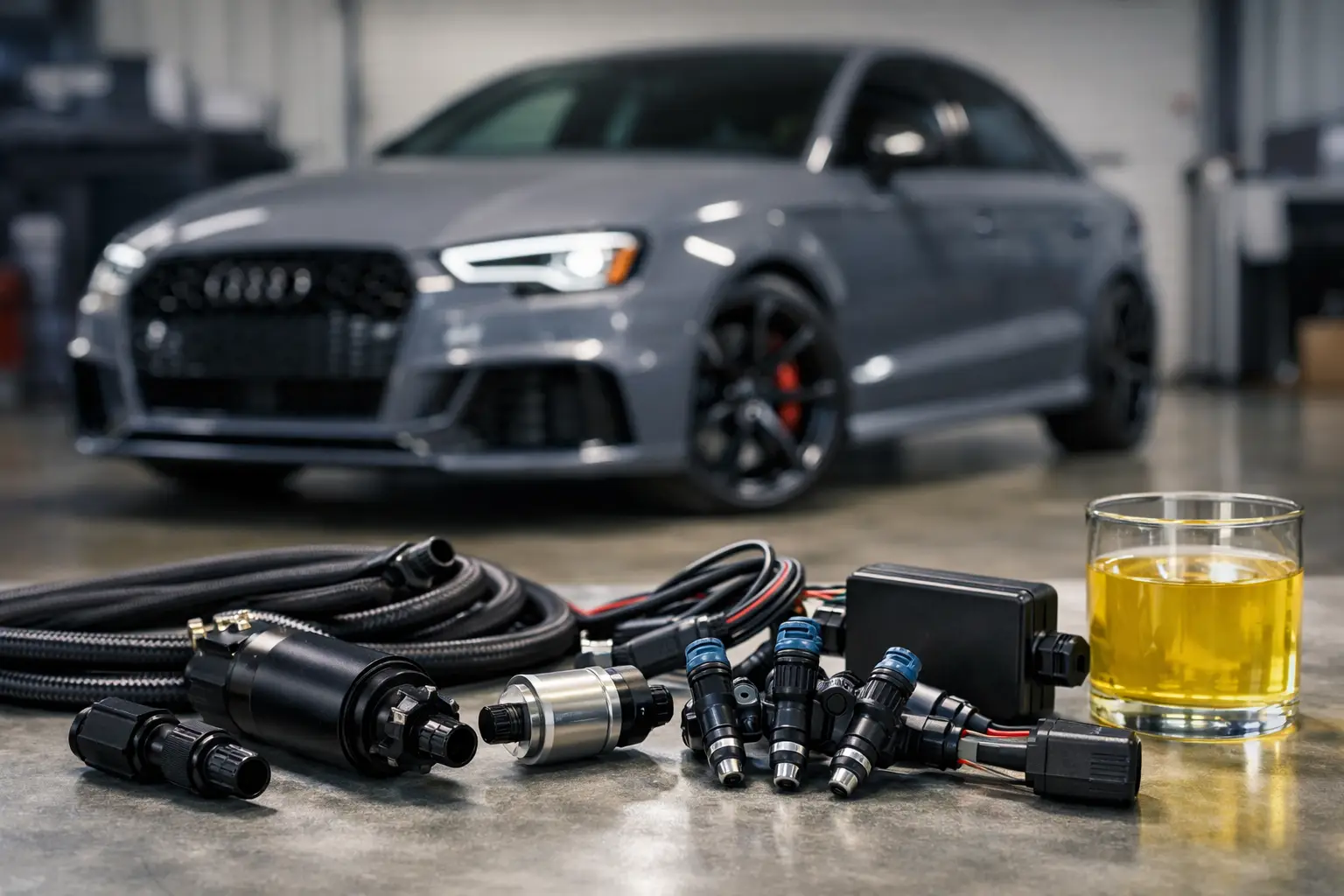
Most buyers use the phrase broadly, but there is no single universal package. In practice, an e85 upgrade kit for RS3 usually centers around the fueling components needed to support higher ethanol content reliably. That can include a low-pressure fuel pump upgrade, a fuel pump controller solution, a flex fuel sensor package, fuel lines or fittings, and in more aggressive builds, high-pressure fuel system support.
Some kits are designed around full E85 compatibility. Others are really ethanol-support packages meant for E60 to E70 blends or for hybrid turbo cars with specific tuning strategies. That distinction matters because the advertised goal may sound the same while the real-world capacity is very different.
The tuning side is just as important as the hardware. Flex fuel capability lets the ECU adjust for ethanol content automatically, while fixed ethanol maps assume a more specific blend. A strong hardware package with a mismatched tune is still a bad setup.
Fueling limits are where most decisions get made
The RS3 responds well to ethanol, but fueling capacity becomes the gatekeeper. On a stock turbo car, many owners can reach strong gains with moderate ethanol content and the right software strategy. As power climbs, especially with upgraded turbochargers, the low-pressure and high-pressure sides both deserve attention.
This is why there is no honest one-size-fits-all answer. A street-driven stock turbo RS3 aiming for a conservative ethanol blend does not need the same parts as a car chasing four-digit crank horsepower. Even among upgraded turbo builds, the difference between a responsive road setup and a drag-focused build changes the recommendation.
When buyers ask what kit they need, the real question is this: how much fuel volume do you need at your target power, and how much margin do you want beyond that? The safer answer is usually more margin than the internet says you need.
E85 vs flex fuel on the RS3
This is where smart buyers separate themselves from impulse buyers. If you have consistent access to verified ethanol content and the car is used in a narrow performance window, a dedicated ethanol setup can make sense. If the car sees mixed use, road trips, seasonal fuel variation, or different stations, flex fuel becomes much more attractive.
A flex fuel setup gives the car the ability to adapt to varying ethanol content. That is valuable because pump E85 is rarely a perfect, fixed blend year-round. In many areas, actual content can swing enough to affect drivability, cold starts, and commanded fueling.
For many street RS3 owners, flex fuel is the more complete solution. It adds cost, but it also reduces guesswork. For serious enthusiasts who care about consistency and engine safety, that trade-off is often worth it.
How to choose the right kit for your build
Start with the car as it sits today, not the car you may build next year. If your RS3 is stock turbo with intake, downpipe, intercooler, and ECU/TCU tuning, your fueling needs are different from a hybrid or full-frame turbo setup. Buying too little means replacing parts twice. Buying too much is not always wrong, but it can add cost and complexity that a mild build never uses.
Model year and regional spec matter too. Audi made changes across the platform, and tuner support can vary by ECU box code, generation, and software path. That is why fitment and application details matter more here than they do on simpler bolt-on parts.
You also need to be realistic about your fuel supply. If your local stations have inconsistent ethanol content, a full-E85-only setup may be less practical than a flex fuel package with strong pump support. If the car sees winter driving, cold-start behavior and fuel quality become part of the conversation.
Supporting mods that should not be ignored
An E85 conversation is never just about one box of parts. The more power you target, the more the rest of the car needs to keep pace. Intercooling, spark plugs, intake flow, and especially tuning quality all affect how well the RS3 responds to ethanol.
Transmission tuning also matters on higher output cars. The DQ500 is a strong unit, but clutch pressure, shift strategy, and torque management become part of the overall result. If the fueling side is upgraded and the calibration is aggressive, the transmission needs to be ready for it.
Maintenance matters more than many owners want to admit. A weak ignition component, an aging low-pressure pump, or a fuel system issue that went unnoticed on pump gas can show up quickly once ethanol demand increases. Ethanol is a performance advantage, but it also exposes weak links.
Common mistakes when buying an E85 kit
The biggest mistake is shopping by headline horsepower alone. Claimed power numbers often depend on very specific conditions, ethanol content, dyno type, ambient temperature, and tune strategy. What matters more is whether the kit supports your exact setup with safe fueling headroom.
The next mistake is ignoring compatibility between hardware and software. Not every fuel pump upgrade, sensor package, or controller solution is designed around the same calibration path. If your tuner prefers one ecosystem and your parts are built around another, you create extra work and risk.
Another common issue is assuming E85 quality is consistent everywhere. It is not. Ethanol testing still matters, especially if the car runs a fixed ethanol file. If your local fuel is all over the place, your setup needs to account for that reality.
Why premium parts matter on ethanol builds
This is one area where cutting corners gets expensive fast. Ethanol-compatible components, proper connectors, stable control strategies, and proven fitment are not just nice extras. They are part of build reliability. Cheap parts can create fuel delivery inconsistency, wiring problems, leaks, or tuning headaches that wipe out any upfront savings.
That is why experienced RS3 owners tend to buy by platform reputation and application support, not just price. On a premium performance platform, the right parts save time in installation, reduce troubleshooting, and make the final result easier to trust when you are leaning on the car hard.
A consultative approach helps here. Buyers who work with a knowledgeable supplier get better results because the conversation goes beyond one product listing. It covers hardware combination, intended fuel, tuning path, and future goals. For RS3 owners building serious cars, that matters.
Is an e85 upgrade kit for RS3 worth it?
If your goal is meaningful power and you have access to decent ethanol fuel, yes, it often is. The RS3 responds extremely well to ethanol when the fueling system and tune are built around it. The gains are real, and the car can feel dramatically stronger throughout the rev range.
But it is only worth it when the setup matches the application. For some owners, a moderate ethanol blend with flex fuel support is the best street solution. For others, a larger fueling package is the right move because the turbo and power target demand it. The answer depends on the build, not the hype.
If you are buying with the long view in mind, choose parts that match your current power goal and your likely next step. That approach usually costs less than fixing a mismatched setup later. And if you are not sure where your RS3 falls on that spectrum, getting real fitment and fueling guidance before you order is always the smarter play.