If you are shopping for the best catch can for B58, you are probably already past the stage of buying random bolt-ons. The B58 responds well to tuning, but once boost, cylinder pressure, and heat go up, crankcase ventilation becomes a bigger part of the reliability conversation. A catch can is not a glamour mod. It is the kind of part you buy because you understand what happens when oil vapor keeps cycling through the intake tract.
That is also why there is no single answer that fits every B58 owner. The best setup for a lightly tuned daily-driven G20 340i is not always the same as the right setup for a higher-output Supra or a track-driven M240i. If you want the right part the first time, you need to look beyond marketing language and focus on how the system is designed, how it mounts, and how it fits your use case.
What makes the best catch can for B58?
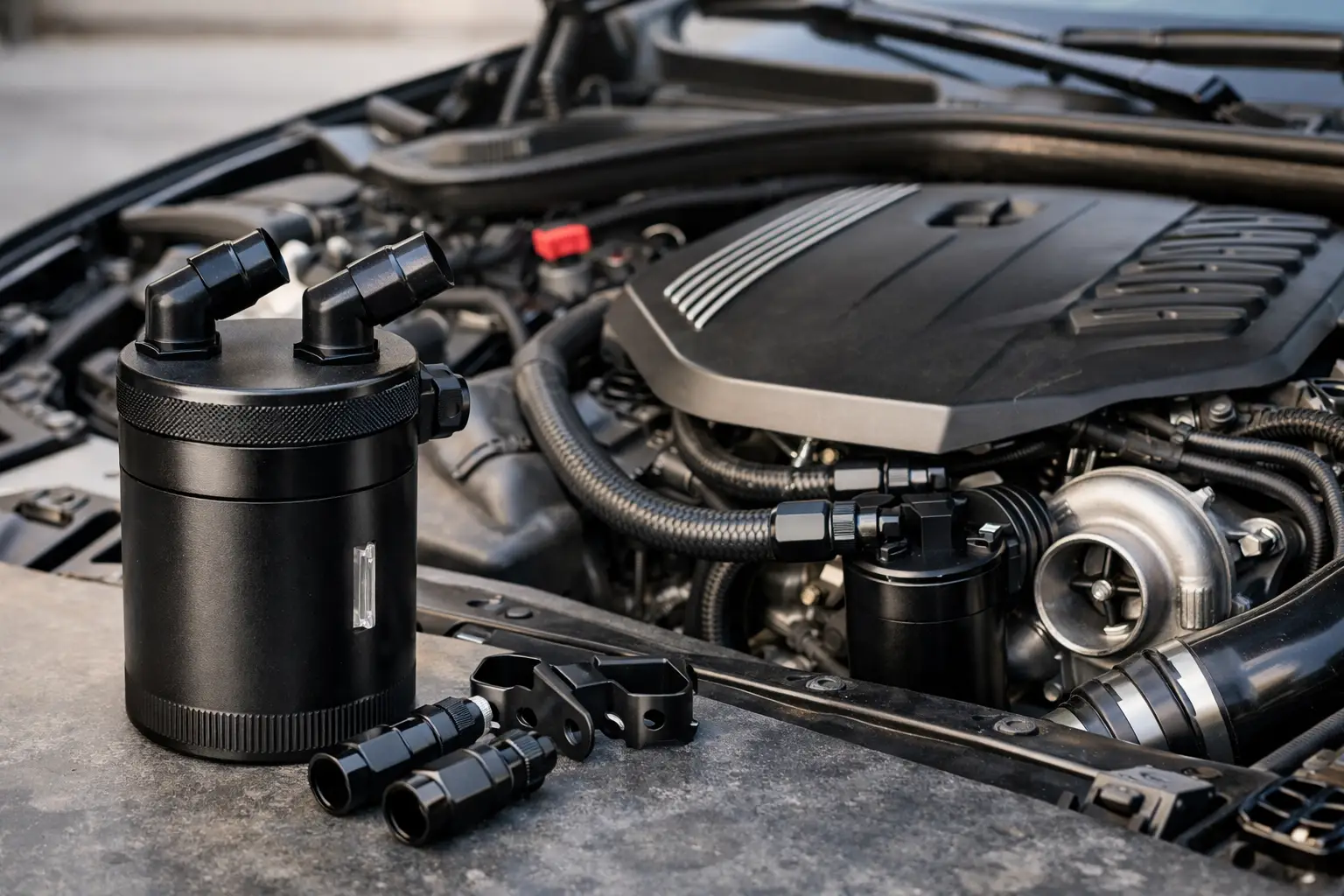
On the B58 platform, the best catch can is the one that controls oil vapor effectively without creating new problems. That means strong internal baffling, proper hose routing, secure fittings, and vehicle-specific fitment that does not feel like an afterthought. A universal can with generic lines may work on paper, but that does not make it the right choice for a premium turbo BMW build.
Good internal separation is the first thing to care about. If the can does not do a real job of separating oil mist from blow-by gases, it is mostly decoration. The better systems use thoughtful baffling, filtration media, or chamber design that slows vapor down and gives oil a chance to condense before it reaches the intake side.
Material quality matters too. Cheap fittings, thin brackets, and hoses that do not tolerate heat well tend to show their weaknesses over time. The B58 engine bay gets hot, and a catch can system needs to live there without loosening up, sweating oil, or turning maintenance into a constant chore.
Then there is drainage. Some owners do not mind cracking the can open during routine service. Others want a cleaner drain solution because the car sees regular hard use. Neither preference is wrong, but it does affect what counts as the best option for you.
Why B58 owners install a catch can in the first place
Direct injection engines are already known for intake valve deposits, and while the B58 has a strong reputation overall, oil vapor management still matters, especially on tuned cars. As boost rises, crankcase pressure and blow-by can increase. That can mean more oil vapor getting recirculated through the intake system, more contamination in charge piping, and more mess around the turbo inlet tract over time.
A quality catch can helps intercept some of that oil vapor before it gets pulled back into the intake path. That is the practical benefit. You are not chasing a headline dyno gain. You are reducing contamination and helping the system stay cleaner under real-world conditions.
For some owners, that benefit becomes more noticeable when the car is driven hard, sees repeated heat cycles, or runs ethanol blends and aggressive calibrations. For a stock daily in mild use, the payoff can be smaller. That does not make the part pointless. It just means expectations should be realistic.
Street car versus track car changes the answer
This is where a lot of buyers get tripped up. They search for the best catch can for B58 as if there is one universal winner, but use case changes everything.
For a street-driven car, you usually want a system that installs cleanly, requires minimal fuss, and does not create odors, leaks, or maintenance headaches. Clean fitment and reliability matter more than chasing the most aggressive race-style solution.
For a track car or a car that sees repeated high-load sessions, vapor control becomes more demanding. Long sweepers, sustained boost, and higher oil temperatures can expose weak separation design quickly. In that situation, the best catch can is often the one with more capable baffling and a layout proven under sustained hard driving, even if it costs more.
If you live in a colder climate, you also need to think about condensation and service intervals. Catch cans collect more than oil. Moisture can build up as well, and that changes how often the system should be checked.
The features that actually matter
A lot of product pages lean hard on CNC machining and billet construction, and yes, those things can reflect quality. But they are not the whole story. What matters most is how the system performs once installed.
A well-designed bracket is a bigger deal than many buyers realize. The B58 engine bay is tight enough that poor mounting can create rubbing, awkward service access, or stress on hoses over time. Vehicle-specific brackets and routing are worth paying for because they reduce installation compromises.
Hose size and fitting quality are equally important. Undersized lines, weak clamps, or adapters that feel generic can introduce problems you should not have on a properly engineered kit. The best systems look like they belong on the car, not like they were adapted from a universal shelf.
You should also pay attention to whether the can is sealed well and easy to service. If it is a hassle to empty, inspect, or remove, there is a good chance maintenance gets postponed. On a performance car, that is how simple upgrades stop doing their job.
Should you buy a single can or a more complete system?
For most B58 owners, a well-engineered single can setup designed around the factory PCV routing is the practical choice. It keeps the installation more straightforward and covers the needs of a typical street or spirited-use car.
More involved systems can make sense on builds running higher boost, frequent track time, or broader supporting modifications. The trade-off is usually added complexity, more installation time, and sometimes more maintenance. If your car is a premium daily with occasional pulls and backroad driving, that added complexity may not deliver enough real benefit.
That is the pattern with a lot of B58 upgrades. The best part is not always the most extreme one. It is the part that matches the build.
How to choose the best catch can for B58 without wasting money
Start with chassis and application. A B58 in an A90 Supra is not packaged the same way as a B58 in a G chassis BMW, and fitment should never be assumed just because the engine family is shared. Check exactly which chassis, model years, and configurations the kit supports.
Next, look at the power level and intended use. If the car is stock or lightly tuned, prioritize clean fitment, reliable separation, and straightforward service. If the car is heavily modified, put more weight on how the system performs under sustained boost and heat.
Then consider maintenance habits honestly. Some buyers love checking every fluid and inspecting every component. Others want to install the part and think about it only during regular service intervals. Buy the system you will actually maintain.
Brand reputation matters here as well. With parts like this, the difference between premium and mediocre is often seen months later in leaks, poor drainage, loose fittings, or disappointing oil capture. Established performance brands with platform-specific engineering usually cost more for a reason.
Common mistakes B58 buyers make
The first mistake is treating every catch can as equal because the photos look similar. They are not. Internal design, hose routing, and fitment quality vary more than most listings suggest.
The second is buying a universal kit to save money on a platform where clean packaging matters. On a B58, that shortcut often turns into extra labor, mixed hardware, and a result that looks out of place in an otherwise serious build.
The third is assuming a catch can fixes every oil-related issue. It helps manage oil vapor. It does not replace proper maintenance, quality oil, healthy PCV function, or attention to overall engine condition.
Is a catch can worth it on a B58?
For many enthusiasts, yes, especially once tuning and harder use enter the picture. It is one of those upgrades that aligns with long-term thinking. You are not buying it for social media. You are buying it because cleaner intake routing and better vapor control make sense on a turbocharged direct-injection engine.
That said, it is still a supporting mod. If your budget is limited, it should be considered in context with the rest of the build. A catch can is easier to justify when the car already has or will soon have the power and driving style that expose the limits of the factory system.
For buyers who want premium parts, correct fitment, and guidance that matches the platform, this is exactly the kind of upgrade where expert selection matters. The right catch can should install cleanly, perform consistently, and feel like a proper part of the engine package rather than an accessory added for appearances.
The best catch can for B58 is the one that fits your chassis correctly, matches your power level, and handles the way you actually use the car. Buy with that standard, and you will end up with a setup that does its job quietly every time you lean on the throttle.